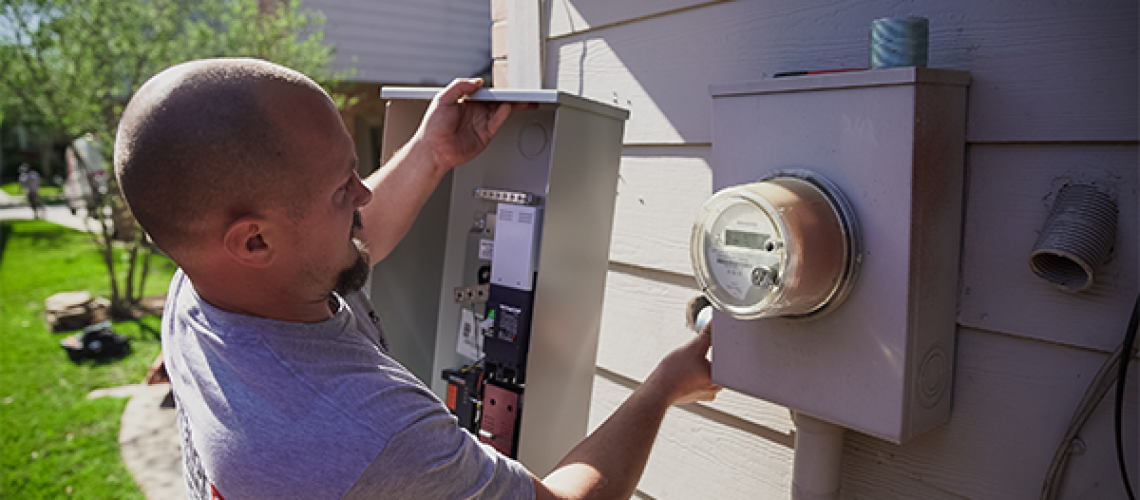
A standby generator that keeps running after it should have shut down may be caused by a control issue, a communication problem, or a component that is preventing the engine from receiving the stop signal. Common causes may include issues with the fuel shut-off system, ignition controls, or the automatic transfer switch (ATS) that manages the connection between your home and generator.
While standby generators are designed to operate automatically during outages and scheduled exercise cycles, they should turn off once normal conditions return. If your generator continues running after power is restored or operates longer than expected, understanding the possible causes can help you determine whether it needs a simple check or professional service.
Why Won’t My Generator Turn Off?
A standby generator may continue running for several reasons. Some situations are normal, while others may indicate a problem with the system.
Common causes include:
- The generator is completing a cool-down cycle
- The home is still receiving a power demand
- The utility power connection has not fully restored
- The transfer switch is not returning to normal operation
- The generator controller detects an issue
- There is a wiring or electrical problem
- The generator requires service
Before assuming there is a fault, check whether the generator has recently experienced an outage or completed an automatic test cycle.
The Generator May Be Running a Cool-Down Cycle
One common reason a standby generator does not immediately turn off is that it is completing a cool-down cycle. After powering your home during an outage, many standby generators continue running briefly after utility power returns. This allows the engine temperature to decrease before the generator shuts down.
A short delay is usually normal and does not indicate a problem. Generac explains that standby generators automatically respond to utility power changes and return the home back to utility power once normal power is restored. Learn more about how home standby generators operate in automatic mode.
However, if the generator continues running for an unusually long time after power is restored, it may indicate an issue with the system that requires further inspection.
The Generator May Still Be Supplying Power
A standby generator is designed to operate automatically based on your home’s electrical needs. If the system still detects that backup power is needed, it may continue running.
Possible causes include:
- Utility power has not fully returned
- The transfer switch has not completed the transition
- The generator is still powering connected circuits
- The electrical system is detecting an issue
The transfer switch plays an important role in moving your home between utility power and generator power. Learn more about what to know about transfer switches and how they support automatic generator operation.
The Transfer Switch May Have an Issue
The transfer switch helps control when your home receives power from the utility company or generator. If it does not communicate correctly with the generator, the unit may continue running.
A transfer switch problem may happen because of:
- Mechanical issues
- Electrical connection problems
- Controller communication issues
- Installation-related concerns
If the generator keeps running after normal conditions return, a professional should inspect the transfer switch and related components.
The Generator May Be in Exercise Mode
Standby generators automatically run periodic exercise cycles to help maintain readiness. During this time, the generator starts and runs even when there is no power outage.
Exercise cycles are typically scheduled and should end automatically. If the generator does not stop after the exercise period, there may be a control or system issue.
Regular testing is one reason maintenance is important. Homeowners can review generator maintenance tips for exercising your whole-home generator to understand how these cycles support reliability.
A Controller or Electrical Issue May Be Preventing Shutdown
Modern standby generators use control systems to monitor operation, detect problems, and manage automatic functions.
If the generator controller detects an issue, it may continue running or display a warning message.
Possible causes may include:
- Controller communication problems
- Sensor issues
- Wiring problems
- Fault conditions
- Incorrect settings
If your generator shows warning lights, error messages, or unusual behavior, avoid repeatedly restarting the system without identifying the cause.
Should You Manually Turn Off a Generator?
Homeowners should avoid manually shutting down a generator unless they understand the correct procedure and the situation is safe.
Turning off a generator incorrectly may interrupt power, create additional issues, or prevent the system from operating properly during a future outage.
If the generator will not shut down normally, it is best to check the owner’s manual or contact a qualified generator technician.
How to Prevent Generator Shutdown Problems
Regular maintenance can help identify problems before they affect generator operation.
Preventative care may include:
- Checking battery condition
- Inspecting connections
- Testing system operation
- Checking oil and filters
- Reviewing warning messages
- Confirming proper transfer switch operation
A properly maintained generator is more likely to start, operate, and shut down as expected.
Homeowners can also learn more about preventative maintenance for your whole-home generator and why routine inspections matter.
When to Call a Generator Professional
You should contact a generator professional if:
- Your generator keeps running for hours after power returns
- The generator will not complete an exercise cycle
- Warning lights appear
- Error codes are displayed
- The transfer switch may not be working correctly
- The generator shuts down unexpectedly
- You are unsure how to safely stop the unit
A qualified technician can inspect the generator, test the system, and identify whether the issue is related to the controller, transfer switch, wiring, or another component.
Final Thoughts
A generator that will not turn off may be caused by a normal cool-down cycle, an active power demand, or a system issue that requires attention.
If your standby generator continues running longer than expected, avoid ignoring the problem. Identifying the cause early can help prevent larger issues and ensure your generator is ready when you need it.
Generator Supercenter of South Florida can inspect your generator, diagnose shutdown problems, and help keep your backup power system operating properly.
FAQs
How long should a generator run after power comes back?
Many standby generators run briefly after utility power returns to complete a cool-down cycle. The exact time depends on the generator model and operating conditions.
Is it normal for a generator to keep running after an outage?
A short period of continued operation can be normal. However, a generator that continues running for an extended time should be inspected.
Can a transfer switch cause a generator to keep running?
Yes. If the transfer switch does not properly communicate that utility power has returned, the generator may continue operating.
Should I manually shut off my standby generator?
Only follow the shutdown procedure recommended for your specific generator model. If the system will not shut down normally, contact a professional.
Can maintenance prevent generator shutdown problems?
Regular maintenance can help identify battery, electrical, controller, and system issues before they affect generator operation.