
Generator permit requirements in Florida depend on the type of generator, how it is used, where it is installed, and the local building department reviewing the project. In many cases, a permanently installed standby generator will require permits before installation can begin.
For South Florida homeowners, this is especially important because generator installation may involve electrical work, transfer equipment, gas or propane connections, generator placement, zoning setbacks, flood elevation rules, and inspections.
If you are planning a permanent backup power system, professional standby generator installation can help ensure the project is handled with the right permits, equipment, and inspection steps.
Do You Need a Permit for a Generator in Florida?
In many Florida jurisdictions, a permit is required for a permanently installed standby generator because it becomes part of the home’s electrical and fuel system.
For example, Miami-Dade County states that a building permit is required to place and keep a generator permanently in an outside location. The county also explains that multiple agencies may review the permit application for compliance with codes and regulations related to the generator and its fuel source.
Portable vs. Standby Generator Permit Rules
Permit rules are usually different for portable generators and standby generators.
A portable generator used only to power a few appliances directly may not require a building permit. For example, Miami-Dade County says a building permit is not required when a portable generator is used to power appliances such as a refrigerator, fan, or lights connected directly to the generator.
However, if a portable generator is connected to the building’s electrical system to power certain circuits, an electrical permit is required for the device that allows that connection to be made safely.
A standby generator is different. It is permanently installed outside the home and usually connects to the home’s electrical system. Because of this, a standby generator commonly requires permit review and inspection.
Why Permits Matter for Standby Generator Installation
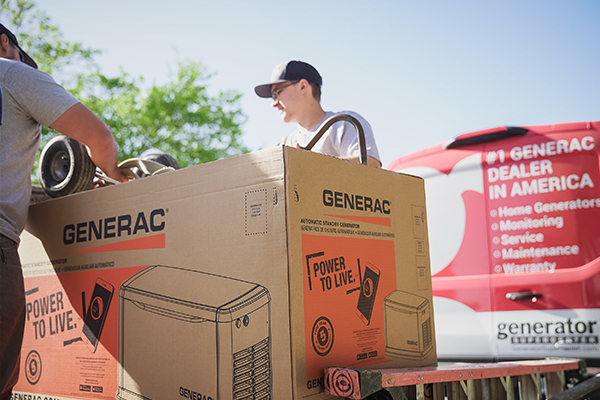
Permits help make sure a generator is installed safely and according to applicable building, electrical, mechanical, plumbing, fuel gas, zoning, and environmental requirements.
A standby generator is not just another outdoor appliance. It may involve:
- Electrical wiring
- Transfer equipment
- Natural gas or propane connections
- Generator exhaust clearance
- A concrete pad or approved base
- Anchoring details
- Fuel tank placement
- Zoning setbacks
- Flood elevation requirements
- Final inspections
Skipping permits can create problems later. An unpermitted generator installation may fail inspection, require costly corrections, create safety risks, or cause issues during a home sale.
Permits also help support safer installation, especially when electrical connections, fuel lines, and placement clearances are involved. Homeowners can also review these key safety considerations when installing a whole-home generator.
Common Generator Permit Requirements in Florida
Exact requirements vary by city, county, and municipality, but many standby generator permit applications require similar information.
Common requirements may include:
- A completed permit application
- Site plan showing the proposed generator location
- Distance from the generator to existing buildings and property lines
- Generator manufacturer specifications
- Electrical panel location
- Transfer equipment details
- Electrical one-line diagram or riser diagram
- Connected load information
- Conduit, conductor, and overcurrent protection details
- Generator grounding information
- Fuel source information
- Gas piping diagram, if natural gas or propane is used
- Generator pad size, thickness, and reinforcement details
- Generator anchoring details
- Generator exhaust location
- Setbacks from windows, doors, vents, property lines, and buildings
- Fuel tank information, when applicable
- Flood elevation details, when applicable
Miami-Dade County’s generator permit guidance also states that plans for permanent generator installation must be prepared by a design professional. Electrical plans may be prepared by a licensed contractor, depending on the situation.
Generator Location and Clearance Requirements
Generator location is one of the most important parts of the permit review.
The proposed location may be reviewed for distance from:
- Windows
- Doors
- Exterior wall openings
- Appliance vents
- Exhaust fans
- Property lines
- Nearby buildings
- Streets or side streets
- Fuel tanks or fuel sources
Miami-Dade County notes that generator exhaust should be located 10 feet away from wall openings such as windows, doors, exhaust fans, and appliance vents.
Generator placement is an important part of the permit review, which is why homeowners should understand the best locations to install your standby generator before choosing a final spot.
Generator Pad, Anchoring, and Flood Considerations

A permanent standby generator usually needs a stable pad or approved base. The permit review may require details about the pad size, thickness, reinforcement, and anchoring.
In South Florida, anchoring and elevation can be especially important because of storm exposure and flood-prone areas.
Miami-Dade County’s guidance explains that some generator and fuel system equipment may need to be placed above the Base Flood Elevation or required lowest floor elevation. Requirements can depend on the property, fuel source, and installation design.
Since many permanent generators need a stable pad or approved base, it may also help to review these generator bases best practices before installation.
How the Generator Permitting Process Usually Works
The process can vary by city or county, but a typical standby generator permit process may include these steps:
- Home assessment: A professional reviews your electrical panel, fuel source, generator location, and backup power needs.
- Load calculation: The installer determines what the generator needs to power and whether load management is needed.
- Site planning: The proposed generator location is reviewed for clearance, access, fuel connection, zoning, and safety.
- Permit application: The required documents are submitted to the local building department.
- Plan review: The city or county reviews the plans for code compliance.
- Installation: Once permits are approved, the generator, transfer equipment, fuel connection, and related equipment can be installed.
- Inspection: The local authority inspects the work before the project is finalized.
Who Handles Generator Permits?
In most cases, a licensed generator installer or contractor helps manage the permit process. This is helpful because generator permitting can involve several technical details, including electrical plans, fuel connections, site plans, load calculations, equipment specifications, and inspections.
A homeowner may not know which documents are required or which department needs to review the project. A professional can help reduce delays by preparing the correct paperwork and coordinating with the local building department.
If your existing generator needs attention before or after permit-related work, professional standby generator service can help identify issues before they become bigger problems.
Can a Homeowners Association (HOA) Affect Generator Installation?
Yes, a Homeowners Association (HOA) may have rules about generator placement, screening, noise, fuel tank location, or exterior appearance. HOA approval is separate from city or county permitting, so homeowners may need both before installation.
In Florida, Florida Statute 720.3035 includes exterior fixed generators and fuel storage tanks as forms of hurricane protection. Still, homeowners should review their HOA documents and follow the community’s approval process before work begins.
What Happens If You Install a Generator Without a Permit?
Installing a standby generator without the required permits can create serious issues.
Possible problems include:
- Failed inspection
- Required removal or rework
- Fines or correction notices
- Insurance complications
- Safety risks
- Problems when selling the home
- Delays if emergency repairs are needed later
Because a standby generator connects to electrical and fuel systems, it is better to complete the permit process correctly from the start.
Final Thoughts
Generator permit requirements in Florida can vary by city, county, municipality, fuel type, and installation design. However, many permanent standby generator installations require permit review because they involve electrical connections, transfer equipment, fuel lines, placement rules, and safety inspections.
For South Florida homeowners, working with a qualified generator professional can make the process easier and help ensure the installation is planned correctly.
After installation is complete, ongoing generator maintenance can help keep your standby system ready for future outages.
If you are considering a whole-home standby generator, Generator Supercenter of South Florida can help you understand the installation process, permitting steps, and backup power options for your home.
FAQs
Do I need a permit to install a standby generator in Florida?
In many Florida jurisdictions, yes. A permanently installed standby generator usually requires permits because it connects to the home’s electrical system and may also involve fuel lines, a generator pad, and inspections.
Do portable generators need permits in Florida?
A portable generator used only to power appliances directly may not require a building permit. However, if a portable generator is connected to the home’s electrical system, an electrical permit is usually required.
Who applies for a standby generator permit?
A licensed generator installer or contractor often handles the permit application because the process may require electrical plans, site plans, load calculations, fuel information, and inspection coordination.
What documents are usually needed for a generator permit?
Common documents may include a permit application, site plan, generator specifications, electrical details, transfer equipment location, fuel source information, slab or anchoring details, and load calculations.
Do generator permit rules vary by county in Florida?
Yes. Generator permit requirements can vary by city, county, and municipality. Homeowners should confirm requirements with their local building department before installation.
Can an HOA stop or delay a generator installation?
An HOA may have rules about generator placement, screening, noise, or appearance. HOA approval is separate from city or county permits, so both may be needed.
Why should I use a professional for generator permitting?
A professional can help make sure the generator location, electrical connection, fuel setup, transfer equipment, and permit documents meet local requirements before installation begins.