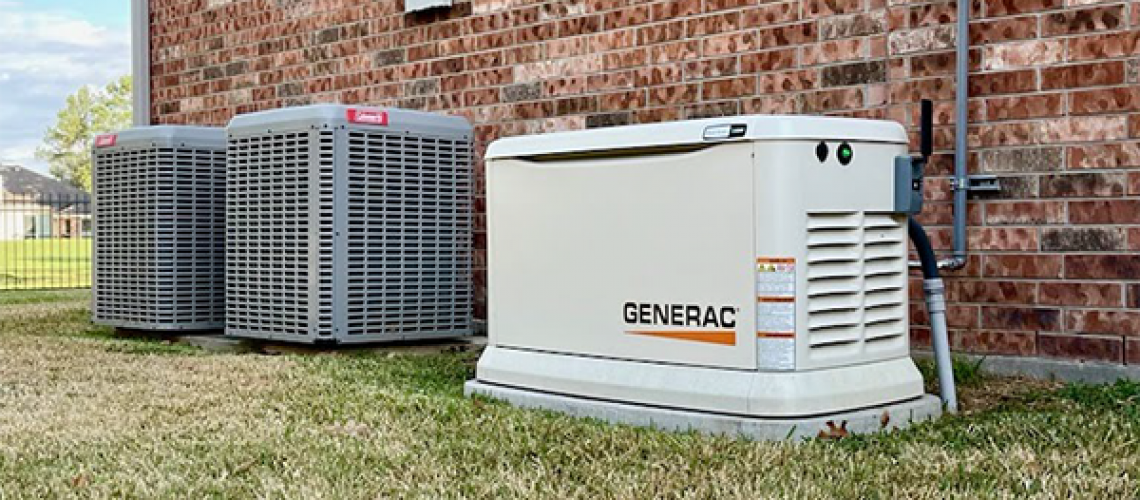
Natural gas is often the more convenient generator fuel when a home already has an adequate utility gas connection. Propane may be the better choice when natural gas is unavailable or when a homeowner prefers to store a dedicated fuel supply on the property.
Neither fuel is automatically better for every home. The right choice depends on fuel availability, expected runtime, property space, installation requirements, generator model, and the amount of electricity the household expects to use during an outage.
Natural Gas vs Propane Generators
Natural gas and propane can both provide reliable fuel for a permanently installed standby generator. According to Generac’s fuel-type guidance, home standby generators commonly operate on pipeline natural gas or liquid propane, depending on the model and its configuration.
Natural gas is delivered through a utility pipeline. It does not require an onsite storage tank and can continue supplying fuel while the utility service remains available.
Propane is stored in a tank on the property. It can be used in areas without natural gas service, but generator runtime is limited by the amount of fuel in the tank.
Natural gas may be more convenient, while propane gives homeowners control over a dedicated fuel supply. A professional assessment can determine which option is more suitable for the property.
How a Natural Gas Generator Works
A natural gas standby generator connects to the home’s utility gas supply. When the automatic transfer system detects a power outage, the generator starts and draws fuel from the gas line.
The homeowner does not need to refill a separate fuel tank. The generator can continue operating as long as natural gas service remains available and the unit stays within its operating and maintenance requirements.
Benefits of a Natural Gas Generator
The main benefit of natural gas is convenience. Fuel is delivered through a pipeline, so there is no separate tank to monitor or refill.
Natural gas may be practical when:
- The home already has natural gas service.
- The existing gas supply can support the generator.
- There is limited space for a propane tank.
- The homeowner does not want to schedule fuel deliveries.
- Extended runtime is a priority.
Natural gas can also reduce the need to arrange fuel deliveries during periods of high demand.
Limitations of a Natural Gas Generator
Having natural gas appliances does not always mean the home’s fuel system can support a standby generator. The gas meter, regulator, piping, and available fuel pressure must be evaluated.
A larger generator may require more fuel than the existing gas system can deliver. The meter or piping may need to be upgraded, extended, or resized.
Natural gas service may remain available during many power outages, but it is not guaranteed during every emergency.
How a Propane Generator Works
A propane standby generator receives fuel from a tank installed on the property. Depending on the available space and local requirements, the tank may be installed above ground or underground.
Propane allows the generator to operate without a natural gas utility connection. However, runtime depends on the amount of usable fuel stored in the tank.
Benefits of a Propane Generator
Propane is often a practical choice for homes without natural gas service.
It may also suit homeowners who want:
- A dedicated fuel supply on the property
- Control over how much backup fuel is available
- A fuel source that does not rely on a natural gas pipeline
- A tank sized around expected generator use
- Fuel that can be stored for long periods
Propane does not degrade in storage in the same way gasoline does. However, the tank, regulators, valves, and fuel lines still need to remain in safe operating condition.
Limitations of a Propane Generator
A propane generator can only operate while sufficient fuel remains in the tank. Homeowners must consider tank capacity, electrical demand, and how quickly another delivery could be arranged.
A propane installation also requires enough room for the tank and any required separation distances. Requirements may vary by tank size, municipality, property conditions, and local fire regulations.
A qualified propane professional and generator installer can confirm what applies to a specific home.
Which Fuel Provides a Longer Generator Runtime?
Natural gas can support extended runtime because fuel is delivered continuously through the utility network. This benefit only applies while natural gas service remains available and the system can deliver enough fuel to the generator.
Propane runtime depends on the amount of fuel stored in the tank. The exact operating time can vary based on:
- Generator model and capacity
- Propane tank size
- Electrical load
- Number of appliances being powered
- Operating conditions
A generator powering only essential appliances will generally use less fuel than one running multiple air-conditioning systems, water heaters, pool equipment, and other high-demand appliances.
Generac’s fuel-consumption guidance shows that fuel use can vary significantly based on generator size, fuel type, and operating load.
Does Fuel Type Affect Generator Performance?
Fuel type can affect the rated output of some standby generator models. A generator may have one power rating when operating on propane and another when running on natural gas.
The difference depends on the model. Homeowners should not assume the generator will produce the same wattage on both fuels.
An installer should confirm:
- Rated output for the selected fuel
- Required fuel pressure
- Required pipe size
- Expected fuel consumption
- Maximum household load
- Whether load-management equipment is needed
Generator capacity should always be based on the rating for the fuel that will actually be used.
Comparing Installation Requirements
The selected fuel can affect the installation process, project cost, and property layout.
Natural Gas Installation
A natural gas installation may require:
- Evaluation of the existing gas meter
- Gas-load calculations
- New or larger gas piping
- Trenching or rerouting
- Coordination with the gas utility
- Plumbing and electrical permits
Even when the gas meter is close to the generator location, the system may not have enough capacity for the generator and the home’s other gas appliances.
Propane Installation
A propane installation may require:
- An aboveground or underground storage tank
- A regulator and properly sized fuel piping
- Tank delivery and placement
- Trenching between the tank and generator
- Protection from physical damage
- Compliance with tank-clearance requirements
Tank placement requirements may vary by municipality, tank capacity, nearby structures, property boundaries, ignition sources, and site conditions.
Professional standby generator installation should include an evaluation of the fuel supply, electrical load, generator location, transfer equipment, permits, and site preparation.
Which Generator Fuel Costs Less?
There is no universal answer because natural gas and propane prices can change over time and vary by supplier or utility.
Homeowners should compare more than the price of the fuel itself. The full cost may include:
- Gas meter or piping upgrades
- Propane tank purchase or lease
- Tank installation and delivery
- Fuel piping and trenching
- Permit and inspection fees
- Generator output on the selected fuel
- Estimated fuel use during an outage
A home with an adequate natural gas connection may have a simpler fuel setup. A property without natural gas may find propane more practical than extending utility service.
A site-specific estimate provides a more useful comparison than fuel prices alone.
How to Choose the Right Fuel for Your Home
Natural gas may be the better choice when the property already has sufficient gas service and the homeowner wants a continuous fuel supply without maintaining a storage tank.
Propane may be the better choice when natural gas is unavailable, extending utility service is impractical, or the homeowner wants fuel stored onsite.
Before deciding, consider:
- Does the property already have natural gas service?
- Can the existing meter and piping support the generator?
- Is there enough space for a propane tank?
- How much runtime is needed?
- Which appliances must remain operational?
- What output does the generator provide on each fuel?
- How quickly could propane be delivered after a major storm?
A qualified professional can use these details to recommend the most practical setup.
When to Contact a Generator Professional
Contact a generator professional before purchasing equipment or choosing a propane tank. The fuel system and generator capacity must match the home’s actual requirements.
A professional should evaluate:
- Natural gas availability and capacity
- Suitable propane tank size
- Generator output on the selected fuel
- Fuel-line length and pipe sizing
- Generator and tank placement
- Transfer equipment and electrical connections
- Local permits and inspections
- Property-specific installation concerns
Requirements may vary by municipality, generator model, fuel source, and installation layout. A qualified electrician, plumber, propane professional, or authorized generator dealer can confirm what applies to the home.
Professional standby generator service may also be needed when a generator develops starting problems, fuel-related faults, warning codes, or inconsistent operation.
Regardless of the fuel source, scheduled generator maintenance should follow the service intervals provided for the specific model.
Final Thoughts
Natural gas is generally the more convenient option for a home with an adequate utility gas connection. Propane is a strong alternative for properties without natural gas or homeowners who prefer to keep a dedicated fuel supply onsite.
The decision should account for runtime, fuel availability, generator output, property space, installation work, local requirements, and the appliances the generator must support.
Generator Supercenter of South Florida can evaluate your property, compare suitable fuel options, and recommend a standby generator system based on your backup power needs.
FAQs
Can a home standby generator run on gasoline?
Most home standby generators run on natural gas or propane, not gasoline. Check the specifications for the exact model.
Can a Generac generator be changed from natural gas to propane?
Some models can be converted. The process should be completed by a qualified professional following the manufacturer’s instructions.
Can a generator switch between natural gas and propane automatically?
Most residential standby generators use one configured fuel source at a time. They do not normally switch automatically between the two.
Does propane expire in a storage tank?
Propane does not degrade like gasoline. The tank and fuel system still require proper inspection and maintenance.
Do natural gas and propane generators need different maintenance?
Their basic maintenance needs may be similar. Requirements depend on the model, operating hours, and manufacturer’s service schedule.