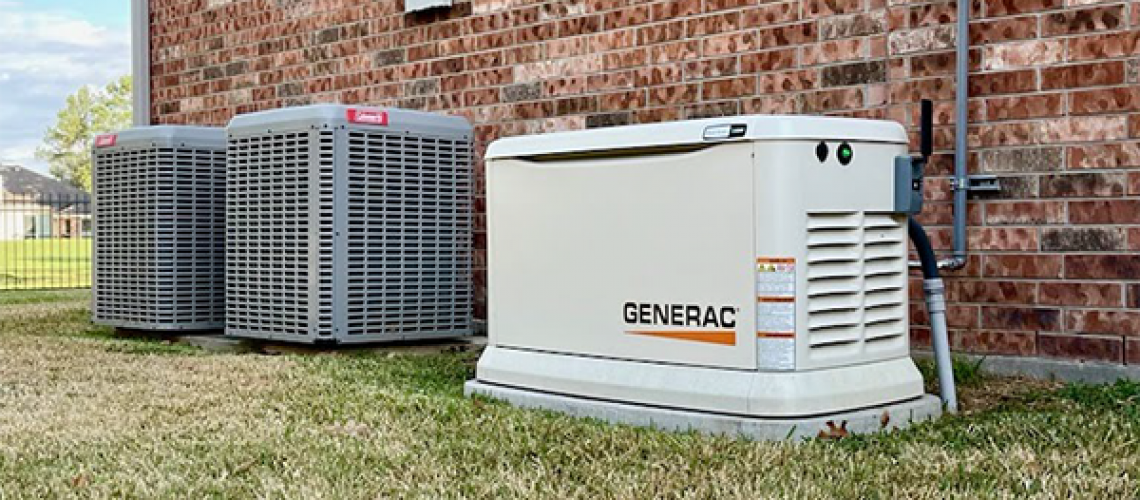
Standby generator noise level depends on the generator model, size, load, placement, enclosure, and distance from the unit. Many residential standby generators are designed to be much quieter than portable generators, but they still produce noticeable sound while running.
For homeowners, noise is an important part of planning a generator installation. A properly placed standby generator can help reduce disturbance to your household and nearby neighbors while still keeping your home protected during an outage.
How Loud Is a Standby Generator?
Many home standby generators operate at a sound level similar to normal outdoor conversation or nearby mechanical equipment, depending on the model and operating conditions.
Generator noise is usually measured in decibels, often listed as dB(A). The lower the number, the quieter the sound. Manufacturer ratings are commonly measured from a set distance, such as 23 feet, so the sound may feel different depending on where you are standing.
For example, some Generac Guardian standby generator specifications list sound output at 67 dB(A) from 23 feet under normal load. For comparison, the National Institute on Deafness and Other Communication Disorders explains that normal conversation is about 60–70 dBA.
What Affects Standby Generator Noise Level?
Several factors can affect how loud a standby generator sounds once it is installed.
These may include:
- Generator size
- Engine type
- Electrical load
- Distance from the generator
- Generator enclosure
- Exhaust direction
- Nearby walls or fences
- Surface under the generator
- Landscaping and open space
- Maintenance condition
- Local placement requirements
A generator placed too close to a bedroom, patio, window, or neighboring property line may feel louder than one placed in a better location. This is one reason professional standby generator installation is important.
Standby Generator Noise vs Portable Generator Noise
Standby generators and portable generators are not always the same when it comes to sound.
Portable generators are often open-frame units and may run closer to living spaces during an outage. Standby generators are permanently installed outdoors and are usually designed with an enclosure that helps reduce noise.
This is one reason many homeowners prefer standby over portable generators, especially when they want automatic backup power with a more permanent setup.
That does not mean a standby generator is silent. It simply means the sound can often be planned for more effectively during installation.
Why Generator Placement Matters
Generator placement can make a big difference in how loud the unit seems from inside the home or from a neighbor’s property.
A generator may sound louder if it is placed:
- Near bedroom windows
- Close to patios or outdoor seating areas
- Between hard walls that reflect sound
- Near narrow side yards
- Close to a neighboring home
- On a surface that carries vibration
A better location may help reduce how much sound carries into living areas. However, placement must also follow manufacturer clearance requirements, local codes, fuel connection requirements, and service access needs.
Noise should be considered during planning, but it cannot be the only factor. Safety, airflow, exhaust clearance, and code compliance are more important.
Can You Make a Standby Generator Quieter?
There are ways to help manage standby generator noise, but homeowners should be careful not to block airflow, exhaust, or service access.
Possible ways to reduce perceived noise may include:
- Choosing an appropriate generator location
- Using the correct generator base or pad
- Keeping the unit properly maintained
- Avoiding placement near bedrooms or patios when possible
- Using approved screening only when allowed
- Keeping shrubs, debris, and obstructions away from the unit
- Choosing the right generator size for the home
Homeowners should not build a closed box around a generator or add unapproved sound barriers. A generator needs proper airflow and exhaust clearance to operate safely.
Maintenance Can Affect Generator Sound
A standby generator may become louder if it is not maintained properly. Rough running, vibration, worn parts, loose panels, old oil, clogged filters, or engine issues may change how the unit sounds during operation.
If your generator suddenly sounds louder than usual, makes unusual noises, or vibrates more than normal, it should be inspected.
A generator that is maintained well is more likely to operate as intended. Homeowners can also review maintenance tips for your Generac generator to better understand how routine care supports performance.
Should Noise Level Affect the Generator You Choose?
Yes, noise level can be one factor when choosing a standby generator, but it should not be the only one.
Homeowners should also consider:
- What the generator needs to power
- Home size
- Air conditioning needs
- Fuel source
- Installation location
- Local code requirements
- Long-term reliability
- Warranty and service support
A smaller generator is not always the right answer just because it may be quieter. The system still needs to support your home’s essential power needs.
If you are comparing options, this guide on what to look for when shopping for a whole-home generator can help you understand other important buying factors.
When to Ask a Professional
You should ask a generator professional about noise level before installation if you are concerned about placement, nearby bedrooms, neighbors, or local noise requirements.
A professional can help review:
- Available installation locations
- Generator size options
- Manufacturer sound ratings
- Clearance requirements
- Service access
- Fuel connection needs
- Local permit or code considerations
A professional can also explain what sound level to expect during normal operation and during regular test cycles.
Final Thoughts
Standby generator noise level depends on the generator model, load, placement, and installation setup. While standby generators are not silent, proper planning can help manage sound and reduce unnecessary disruption.
The best approach is to consider noise during the planning stage, not after the generator is already installed. Proper placement, correct sizing, and professional installation can make a meaningful difference.
If you are considering a whole-home standby generator, Generator Supercenter of South Florida can help you choose the right system and plan an installation location that balances performance, safety, and comfort.
FAQs
How loud is a standby generator?
Standby generator noise level varies by model, size, load, and distance. Many residential standby generators operate around the sound level of normal outdoor conversation or mechanical equipment, but the exact rating depends on the unit.
Are standby generators quieter than portable generators?
In many cases, yes. Standby generators are permanently installed and usually have enclosed designs, while many portable generators are open-frame units. However, both types still produce noticeable sound while running.
What makes a standby generator sound louder?
A standby generator may sound louder when it is under a heavy electrical load, placed near walls or windows, installed in a tight side yard, or not maintained properly.
Can generator placement reduce noise?
Yes. Placement can affect how sound travels. A generator installed away from bedrooms, patios, and nearby reflective surfaces may be less disruptive, but safety clearance and code requirements must still come first.
Can I build a soundproof box around my generator?
No. Homeowners should not enclose a standby generator with unapproved soundproofing because it can block airflow, trap heat, affect exhaust clearance, and create safety risks.