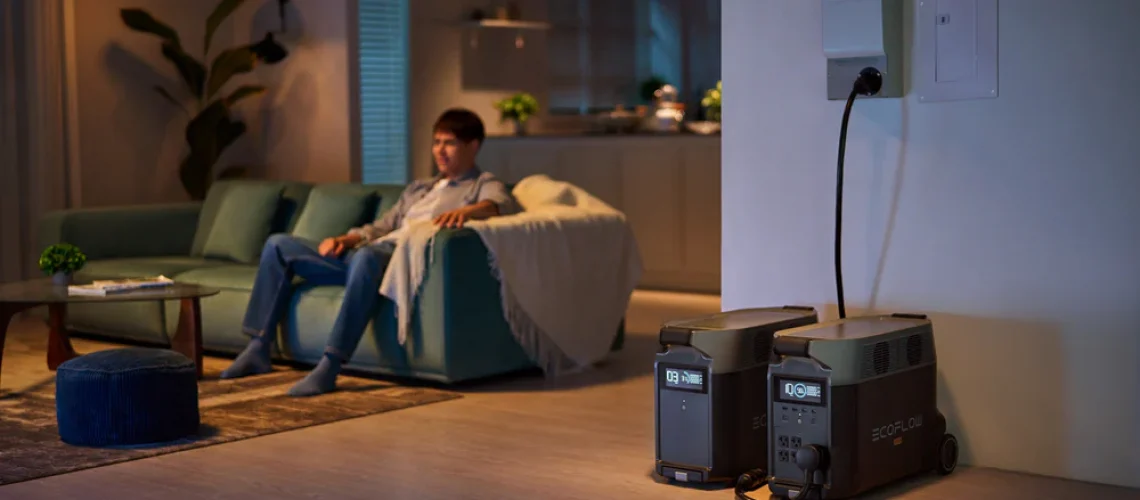
A generator not starting after a power outage can leave your home without the backup power you expected. While standby generators are designed to start automatically when utility power fails, issues with the battery, fuel supply, maintenance, or electrical system can prevent normal operation.
For South Florida homeowners, a generator that fails to start during an outage can become a major concern, especially during hurricane season or extended power interruptions. Understanding the possible causes can help you determine whether the issue requires a simple check or professional service.
Why Is My Generator Not Starting After an Outage?
A standby generator may fail to start after a power outage for several reasons. The system relies on multiple components working together, including the battery, fuel supply, engine, and control system.
Common causes include:
- Weak or dead battery
- Fuel supply problems
- Generator not set to automatic mode
- Low oil or maintenance issues
- Fault codes or system alarms
- Transfer switch problems
- Electrical connection issues
The cause can vary depending on the generator model, installation setup, and maintenance history.
The Generator Battery May Be Dead or Weak
One of the most common reasons a standby generator does not start is a weak battery. The battery provides the power needed to start the engine when the system detects a power outage.
A battery problem may happen because of age, charging issues, corrosion, or lack of maintenance.
Signs of a battery issue may include:
- The generator does not crank
- The generator attempts to start but fails
- Warning lights appear
- The battery does not hold a charge
If your generator battery keeps failing, this guide on why your generator battery keeps dying can help explain possible causes.
The Generator May Not Be Receiving Fuel
A generator needs a consistent fuel supply to start and continue running. If fuel delivery is interrupted, the unit may attempt to start but fail.
Possible fuel-related issues include low propane levels, a closed fuel valve, natural gas supply interruptions, or fuel pressure problems.
Before a storm or extended outage, homeowners should confirm that the generator has enough fuel available and that the fuel supply is working properly.
The Generator May Not Be Set to Automatic Mode
Standby generators are designed to operate automatically when they are set to the correct mode. If the generator controller is switched off or placed in manual mode, it may not start when utility power fails. Learn more about automatic standby generator operation and how backup systems respond during power interruptions.
Homeowners should check the generator controller display and confirm that the system is set to automatic operation. If the generator was recently serviced, inspected, or reset, confirming the operating mode is an important first step.
Low Oil Levels Can Prevent Startup
Many standby generators include safety features that prevent operation when oil levels or pressure are too low.
If the generator detects a possible engine protection issue, it may stop the startup process or display a warning.
Low oil conditions may happen because of:
- Oil leaks
- Missed maintenance
- Incorrect oil levels
- Engine-related problems
Regular maintenance can help identify oil and engine issues before they prevent the generator from starting. Homeowners can learn more about preventative maintenance for your whole-home generator and why routine inspections matter.
Fault Codes May Prevent the Generator From Starting
Modern standby generators use control systems to monitor performance and detect problems. If the generator identifies an issue, it may display an error message or prevent startup.
Common causes of startup faults may include:
- Battery problems
- Electrical faults
- Sensor issues
- Engine problems
- Controller communication errors
If your generator displays a warning message, avoid repeatedly restarting the system without identifying the cause.
The Transfer Switch May Have a Problem
The transfer switch helps move your home between utility power and generator power. If it does not communicate correctly with the generator, the system may not start or may not provide backup power to your home.
Possible transfer switch issues include:
- Electrical connection problems
- Mechanical failure
- Communication problems
- Installation-related concerns
Homeowners can learn more about what to know about transfer switches and their role in standby generator operation.
What Should You Check If Your Generator Does Not Start?
Before contacting a professional, homeowners can check a few basic items:
- Confirm the generator is set to automatic mode
- Check whether warning lights or error messages appear
- Confirm fuel availability
- Look for visible leaks or damage
- Check whether the battery appears weak
Avoid opening electrical components or attempting repairs unless you are trained to do so.
How to Prevent Generator Startup Problems
Regular maintenance is one of the best ways to reduce the chance of generator failure during an outage.
Important steps include:
- Following the manufacturer’s maintenance schedule
- Testing the generator regularly
- Checking battery condition
- Keeping fuel supplies ready
- Addressing warning messages quickly
A monitoring program can also help homeowners keep track of generator readiness. Learn more about GenMonitor maintenance programs and how they support proactive generator care.
When Should You Call a Generator Professional?
You should contact a generator professional if:
- The generator does not start during an outage
- The battery keeps failing
- Warning lights or error codes appear
- The generator attempts to start but stops
- The transfer switch may not be working properly
- You are unsure how to safely troubleshoot the issue
A qualified technician can inspect the generator, test the system, identify the cause, and recommend the appropriate repair.
If your generator fails to start after an outage, professional generator repair service can help diagnose the problem and restore reliable operation.
Bottomline
A generator that does not start after a power outage may have a simple issue, such as a weak battery or fuel problem, or it may require professional troubleshooting.
Regular maintenance, proper preparation, and quick attention to warning signs can help ensure your standby generator is ready when your home needs backup power.
If your generator is not starting after a power outage, Generator Supercenter of South Florida can inspect your system, identify the cause, and help restore reliable backup power.
FAQs
Why does my generator crank but not start?
A generator that cranks but does not start may have fuel delivery issues, battery problems, ignition concerns, or another engine-related problem.
Can a dead battery stop a standby generator from working?
Yes. A weak or dead battery can prevent the generator engine from starting during an outage.
Should my generator start automatically during a power outage?
Yes. Standby generators are designed to start automatically when utility power fails, as long as the system is properly installed, maintained, and set to automatic mode.
How often should I test my standby generator?
Standby generators usually perform automatic exercise cycles, but homeowners should follow the manufacturer’s recommendations for testing and maintenance.
Who should repair a generator that will not start?
A qualified generator technician should inspect a generator that fails to start after an outage, especially if the issue involves electrical components, fuel systems, or error messages.