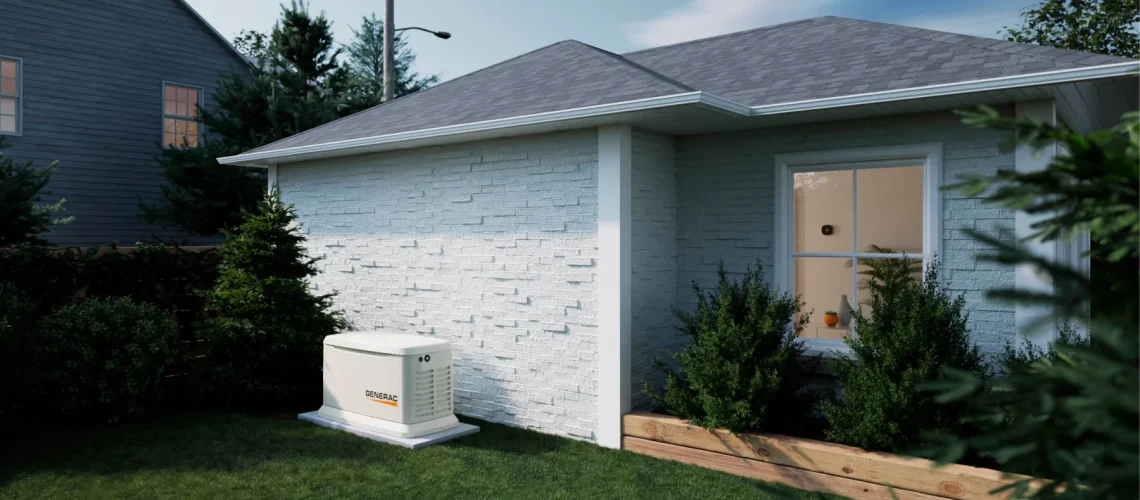
A whole house generator may provide power for several days during an extended outage, as long as it has enough fuel and receives the required operating checks. However, it should not run uninterrupted for days without inspection.
For many air-cooled Generac home standby generators, the manufacturer recommends shutting the unit down after every 24 hours of continuous operation. This allows the generator to cool and gives the homeowner or technician an opportunity to check the oil level and inspect the unit.
The exact requirements depend on the generator model, fuel source, electrical load, and maintenance condition. Always follow the owner’s manual for the specific unit installed at your home.
How Long Can a Whole House Generator Run?
There is no single runtime that applies to every whole house generator. A properly installed standby generator may support a home through a multiday outage, but its operating time depends on fuel availability and required maintenance breaks.
A natural gas generator may continue receiving fuel as long as the utility gas supply remains available. A propane generator is limited by the amount of usable fuel stored in its tank.
Even when fuel is available, the generator may need to be shut down periodically for cooling, oil checks, and inspection. According to Generac’s continuous-use maintenance guidance, air-cooled home standby generators should be shut down after every 24 hours of continuous runtime for at least 30 minutes.
This does not necessarily mean the generator can only provide one day of backup power. It means the unit may require regular pauses and maintenance while supporting the home through a longer outage.
What Affects the Whole House Generator Runtime?
Several factors determine how long a standby generator can continue powering a home.
Fuel Availability
Fuel supply is one of the biggest limits on generator runtime.
A natural gas generator receives fuel through a utility pipeline. It may continue running while gas service remains available and the system can deliver the required fuel volume.
A propane generator draws fuel from a storage tank. Its runtime depends on:
- Tank capacity
- Amount of fuel currently in the tank
- Generator size
- Electrical load
- Fuel consumption rate
Homeowners using propane should check their tank level before hurricane season and before a known storm reaches the area. Fuel deliveries may be harder to schedule after a major weather event.
Electrical Load
The amount of power the home uses can significantly affect fuel consumption and generator performance.
Running lights, refrigerators, internet equipment, and a few outlets normally requires less generator capacity than operating several large appliances at the same time. Central air conditioning, electric water heaters, pool equipment, ovens, and clothes dryers can place a much higher demand on the generator.
A generator that frequently operates near its maximum capacity may consume more fuel and experience greater mechanical stress. Using generator load management can help control when high-demand appliances receive power.
Homeowners who plan to run their air conditioning should make sure the generator and load-management setup were designed for the system’s starting and running requirements.
Generator Size and Model
Larger generators normally consume more fuel than smaller units, although actual use depends on the percentage of available capacity being used.
Runtime guidance can also vary between air-cooled and liquid-cooled generators. Larger liquid-cooled units may have different maintenance schedules and operating requirements.
Check the owner’s manual rather than relying on a general estimate. A qualified generator professional can also confirm the continuous-use recommendations for a particular model.
Generator Condition
A generator that has received regular maintenance is better prepared for extended use than one with overdue service.
Low oil, a dirty air filter, a weak battery, worn spark plugs, fuel-pressure issues, or existing warning codes can interrupt operation. These problems may become more noticeable when the generator runs for many hours without a long break.
Routine inspections do not guarantee uninterrupted operation, but they can reduce the chance of preventable problems during an outage.
Weather and Installation Conditions
High temperatures, wind-driven debris, flooding, and poor airflow may affect generator operation. This is especially important in South Florida, where extended outages often follow severe storms.
A permanently installed standby generator is designed for outdoor use, but it still needs proper airflow, drainage, clearance, and protection from flooding or physical damage. Homeowners should never block the enclosure vents or place an unapproved cover over an operating unit.
Learn more about operating a generator during extreme weather, and follow the instructions for the specific model and installation.
Does a Whole House Generator Need a Break?
Yes, many home standby generators require periodic shutdowns during an extended outage.
Generac advises that its air-cooled home standby generators should be shut down after every 24 hours of continuous operation. The unit should remain off for at least 30 minutes before the oil level and other maintenance items are inspected.
The correct shutdown process is important because the generator may still be supplying electricity to the home. Do not simply open the enclosure or work around a hot, operating unit.
Follow the shutdown instructions in the owner’s manual. Contact a generator professional when you are unsure how to stop, inspect, or restart the system safely.
What Should You Check During an Extended Outage?
Extended operation requires more attention than the generator’s normal weekly exercise cycle.
Check the Oil Level
Engine oil is essential for lubrication and cooling. A generator may consume some oil during extended operation, especially when running under a heavy load.
The oil should only be checked after the generator has been shut down correctly and allowed to cool. Never add oil while the engine is operating or hot.
Use only the oil type and amount specified for the generator model. Overfilling the engine can also cause problems.
Look for Leaks or Damage
After the generator has been shut down and cooled, check the surrounding area for signs of:
- Oil leaks
- Fuel odors
- Loose or damaged parts
- Blocked vents
- Standing water
- Storm debris
- Unusual discoloration or heat damage
Do not attempt to repair fuel, electrical, or internal mechanical problems without the proper training.
Review the Control Panel
Check the control panel for warnings, maintenance reminders, or fault codes. Do not repeatedly restart a generator that continues to shut down or display the same alert.
A recurring warning may indicate a problem with oil pressure, overheating, battery condition, fuel supply, engine speed, or another monitored system.
Reduce Unnecessary Power Use
Turning off nonessential equipment can lower the load on the generator and reduce fuel use.
During an extended outage, homeowners may choose to limit the use of pool heaters, electric ovens, clothes dryers, additional air-conditioning zones, and other high-demand appliances. What can be turned off will depend on the home and the electrical system.
Reducing demand does not replace proper generator sizing, but it may help the system operate more efficiently.
How Fuel Type Changes Runtime
Natural gas and propane standby generators have different runtime limits.
Natural Gas Runtime
A natural gas generator does not rely on a tank installed at the home. It receives fuel through the utility gas system.
This can support a long outage without scheduling a fuel delivery. However, runtime still depends on:
- Continued natural gas service
- Correct fuel pressure
- Properly sized gas piping
- Generator condition
- Required maintenance breaks
Natural gas service may remain available during many electrical outages, but it is not guaranteed in every emergency.
Propane Runtime
A propane generator can run only while sufficient fuel remains in its storage tank.
The exact runtime cannot be determined from tank size alone. It also depends on the generator model and the percentage of electrical load being used.
Generac’s fuel-consumption information explains that fuel use varies by generator capacity, fuel type, and load. Homeowners should use the specifications for their exact model rather than a general online estimate.
The article about how much generators cost to run also explains why estimated fuel consumption matters when planning for an extended outage.
How to Prepare for Extended Generator Use
The best time to prepare a generator is before utility power fails.
Homeowners should:
- Complete scheduled service before storm season.
- Confirm that the unit is in automatic mode.
- Check for active warning messages.
- Keep the area around the generator clear.
- Confirm propane tank levels when applicable.
- Keep the owner’s manual accessible.
- Know how to shut down the generator safely.
- Keep the generator service provider’s contact information available.
Following a plan for preventive maintenance can help identify worn parts, low fluids, battery problems, and other concerns before the generator is needed for an extended outage.
When to Contact a Generator Professional
Contact a generator professional when the unit displays a repeated fault, shuts down unexpectedly, leaks fluid, produces unusual sounds, smells strongly of fuel, or cannot carry its normal electrical load.
Professional help may also be needed when:
- You are unsure how to shut down the generator safely.
- The oil level continues to fall.
- The generator repeatedly starts and stops.
- A warning returns after the unit is restarted.
- The generator has completed many hours of emergency operation.
- Maintenance was already overdue before the outage.
- Storm debris, flooding, or physical damage reached the unit.
Do not bypass safety devices or repeatedly clear fault codes without identifying the cause. Generator Supercenter of South Florida provides generator maintenance for homeowners who need routine service or help after extended generator operation.
Final Thoughts
A whole house generator may support a home through several days of lost utility power, but continuous operation still requires fuel, periodic shutdowns, and regular inspections. For many air-cooled Generac units, that means pausing after every 24 hours of operation to allow the generator to cool and to check the oil and overall condition.
Runtime will also depend on the generator model, fuel source, electrical load, maintenance history, and installation environment. The owner’s manual provides the most accurate requirements for a specific unit.
Generator Supercenter of South Florida can inspect, maintain, and service your standby generator so it is prepared for extended outages. Professional support can also help you understand your generator’s fuel needs, operating limits, and maintenance schedule.
Frequently Asked Questions
Will a standby generator turn off when utility power returns?
Yes. The system normally transfers the home back to utility power and shuts down after its programmed cooldown period.
Can a standby generator run when nobody is home?
Yes. An automatic standby generator is designed to start when it detects a utility outage, even when the home is empty.
Can I add oil while the generator is running?
No. Shut the generator down correctly and allow it to cool before checking or adding oil.
Does the weekly exercise cycle use fuel?
Yes, but the amount is usually limited because the exercise cycle is short. Actual fuel use depends on the model and settings.
What should I do if the generator shows a warning?
Check the owner’s manual and contact a generator professional when the cause is unclear or the warning returns.